బంగ్లాదేశ్లో ఏదైనా మతం మీద దాడి జరిగితే మనం ఇక్కడ సోషల్ మీడియాలో స్టేటస్లు పెడతాం. గాజాలో యుద్ధం జరుగుతుంటే మన దేశంలో ప్రదర్శనలు కూడా చేస్తాం. అక్కడ వాళ్లు కూడా మనలాగే మనుషులే అని గట్టిగా చెప్తాం. నిస్వార్థంగా తోటి ప్రజలను ప్రేమించటం చాలా గొప్ప విషయం అని ఉపన్యాసాలు కూడా ఇస్తాం. కానీ “నిస్వార్థంగా సహాయం చేయడం” అంటే ఏంటో ఈ మధ్య ఒక మనిషి గురించి కొన్ని పాడ్కాస్ట్లు విని, ఆసక్తి పెరిగి, కొన్ని పుస్తకాలు, ఆన్లైన్ ఆర్టికల్స్ చదివాక అర్థమైంది. అప్పటిదాకా మనకు తెలిసింది ఏంటంటే, “పబ్లిక్లో మంచిగా మాట్లాడటం” — అంతే.
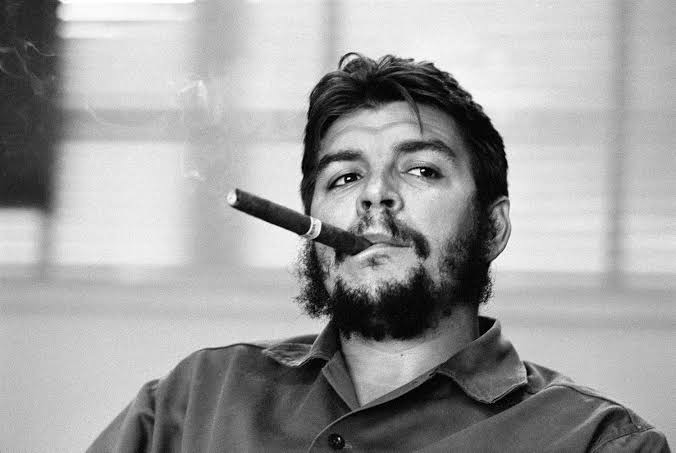
ఎక్కడో అర్జెంటీనాలోని రోసారియోలో పుట్టి, తనది కాని గ్వాటెమాలాలోని కాపిటలిస్టిక్ వ్యవస్థకి వ్యతిరేకంగా పోరాడి, అక్కడి నుంచి మెక్సికోలో కాస్ట్రో సోదరులను కలిసి, క్యూబా నియంతృత్వ ప్రభుత్వాన్ని కూలదోసి, కాంగో, బొలీవియా ప్రభుత్వాలకు ఎదురు నిలిచి, చివరికి సైన్యం చేతిలో హత్యకు గురైన వ్యక్తి — చే గువేరా. కానీ 60 ఏళ్ల తరువాత కూడా, రష్యా నుంచి కేరళ దాకా “విప్లవం” అంటే గుర్తుకువచ్చే పేరు, మర్చిపోలేని ముఖం — ఎర్నెస్టో గువేరా డి లా సెర్నా. పేరు కూడా కాస్త పెద్దదే, ఆయన చేసిన పని కూడా పెద్దదే, లేకపోతే ఇంత పాప్యులారిటీ ఎక్కడి నుంచి వస్తుంది చెప్పండి?అతని అసలు పేరులో “చే” లేదు. క్యూబా సాయుధ పోరాట సమయంలో అందరినీ “చే” అని పదే పదే పిలిచేవాడు. “చే” అనేది అర్జెంటీనాలో వాడే కామన్ స్లాంగ్. అది “అయ్యా,” “స్నేహితుడా,” లేదా “హే” లాంటి అర్థాల్లో వాడతారు. కానీ క్యూబాలో ఈ మాట అంత సాధారణం కాదు. అందుకే అతను ప్రతి రెండు మాటలకు ఒకసారి “చే” అంటున్నాడని చూసి, అతని సహచరులు సరదాగా “చే” అని పిలవడం మొదలుపెట్టారు. అలా అది అతనికి అతుక్కుపోయింది. మన దగ్గర ఎవడైనా ఒక మాట ఎక్కువగా వాడితే నిక్ నేమ్ పడుతుంది కదా, చే కి కూడా అదే జరిగింది. ప్రపంచానికి మాత్రం అది ‘చే గువేరా’ అయ్యింది.
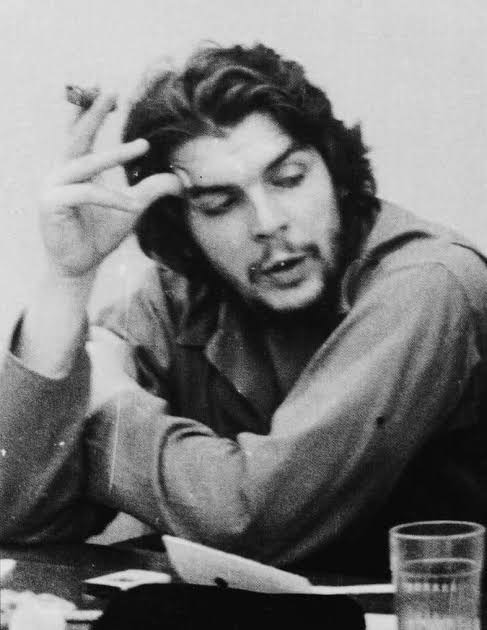
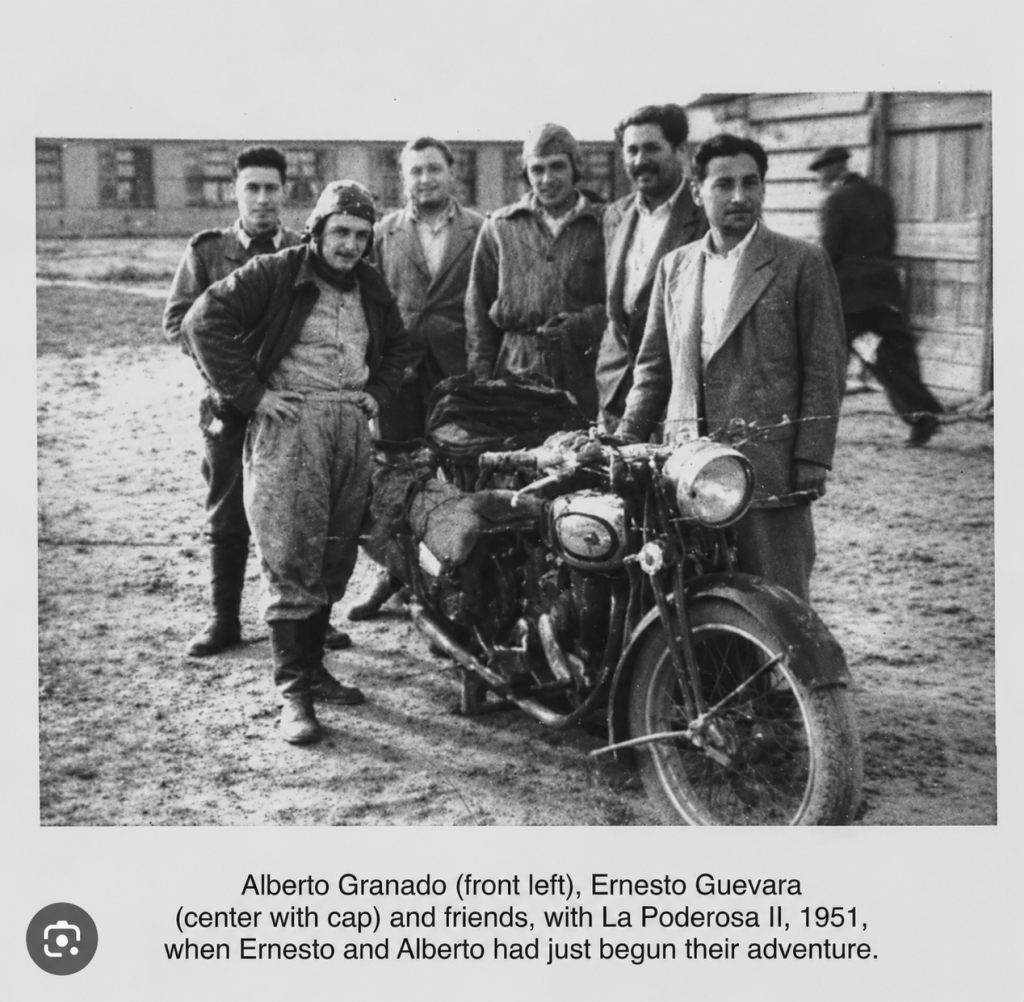
చేకు జీవితాంతం తీవ్రమైన ఆస్తమా ఉన్నా, క్రీడల్లో మాత్రం చాలా చురుకుగా ఉండేవాడు. ఈత, ఫుట్బాల్, గోల్ఫ్, షూటింగ్ ఇవన్నీ ఇష్టమే. ఇంకా శక్తివంతమైన సైక్లిస్ట్ కూడా. రగ్బీ అంటే మరీ ప్రాణం. అంటే ఒకవైపు ఊపిరి సరిగ్గా ఆడదు, ఇంకోవైపు శరీరం మాత్రం “నాకేం తక్కువ?” అన్నట్టు ఉండేది. చిన్నప్పుడు అమ్మమ్మ క్యాన్సర్తో చనిపోవడంతో, “నేను డాక్టర్ అయితే ఇలాంటివాళ్లను చనిపోకుండా కాపాడాలి” అనే ఆలోచనతో యూనివర్సిటీ ఆఫ్ బ్యూనస్ ఐరీస్లో మెడిసిన్ చేరాడు. కొందరు చదువు కోసం వెళ్తారు, చే మాత్రం జీవితాన్ని అర్థం చేసుకోవడానికి వెళ్లాడు.ఆ సమయంలో చే రెండు మోటార్సైకిల్ యాత్రలు చేశాడు. మొదటిది 1950లో ఒంటరిగా.. సుమారు 4,500 కిలోమీటర్లు ఉత్తర అర్జెంటీనా అంతా తిరిగాడు. రెండవది 1952లో స్నేహితుడు అల్బెర్టో గ్రానాడోతో కలిసి, 9 నెలల పాటు 8,000 కిలోమీటర్లు అర్జెంటీనా, చిలీ, పెరూ, కొలంబియా, వెనిజులాలో ప్రయాణించారు. ఈ యాత్రలో చే రాసిన డైరీ 43 ఏళ్ల తర్వాత ‘The Motorcycle Diaries’ పేరుతో పుస్తక రూపంలో వచ్చింది. అది 30కి పైగా భాషల్లోకి అనువదించబడింది. ఈ యాత్రలోనే ఆయన దోపిడీకి గురైన గని కార్మికులు, హింసకు గురైన కమ్యూనిస్టులు, సమాజం దూరం పెట్టిన కుష్ఠురోగుల పరిస్థితిని చూసి చలించిపోయాడు. అప్పటి వరకు “ప్రపంచం ఇలా ఉంది” అనుకున్నవాడు, తర్వాత “దీనిని ఇలాగే వదిలేయాలా?” అని ఆలోచించడం మొదలుపెట్టాడు.
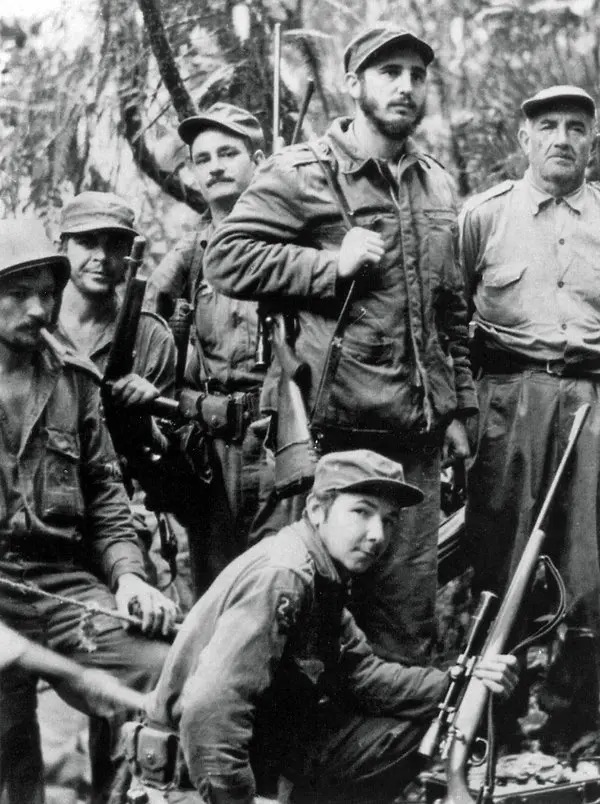
అర్జెంటీనా తిరిగి వచ్చి చదువు పూర్తిచేసిన చే, గ్వాటెమాలాలో కాపిటలిస్టిక్ వ్యవస్థకి వ్యతిరేకంగా జరుగుతున్న పోరాటంలో పాల్గొన్నాడు. అక్కడ హిల్డా గాడియా అకోస్టా అనే ఆర్థిక శాస్త్రవేత్తను కలిశాడు. తరువాత వాళ్లు పెళ్లి చేసుకున్నారు. వారికి కలిగిన పెద్ద కూతురే హిల్డిటా గువేరా. జీవితంలో ఒక దశలో ప్రేమ, కుటుంబం, పోరాటం — అన్నీ కలిసి నడిచాయి. కానీ చే మనసు మాత్రం “ఇంకా ఏదో చేయాలి” అనే తపనతోనే ఉండేది.గ్వాటెమాలా నుంచి చే మెక్సికో వెళ్లి, అక్కడ ఒక పాత స్నేహితుడి ద్వారా క్యూబాలో బాటిస్టా మీద సాయుధ పోరాటం చేస్తున్న అన్నదమ్ములు ఫిడెల్ క్యాస్ట్రో, రౌల్ క్యాస్ట్రోలను కలిశాడు. ఆ తర్వాత మూడు సంవత్సరాలు ఊహకందని పోరాటం చేసి, క్యూబాను నియంత పాలన నుంచి విముక్తం చేశాడు. తరువాత మంత్రిగా, జాతీయ బ్యాంకు అధ్యక్షుడిగా పని చేశాడు.
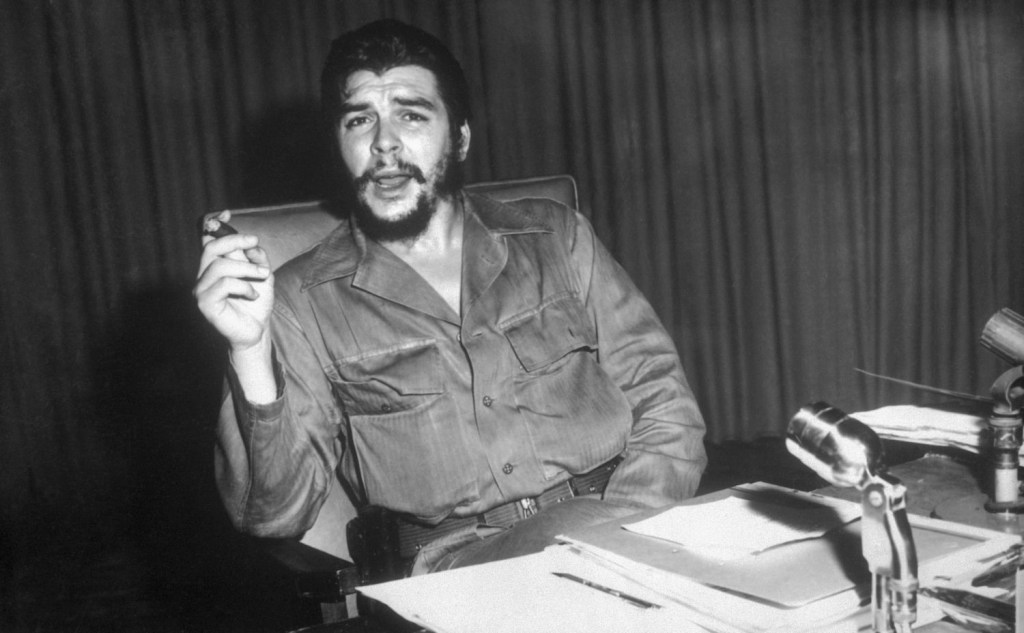
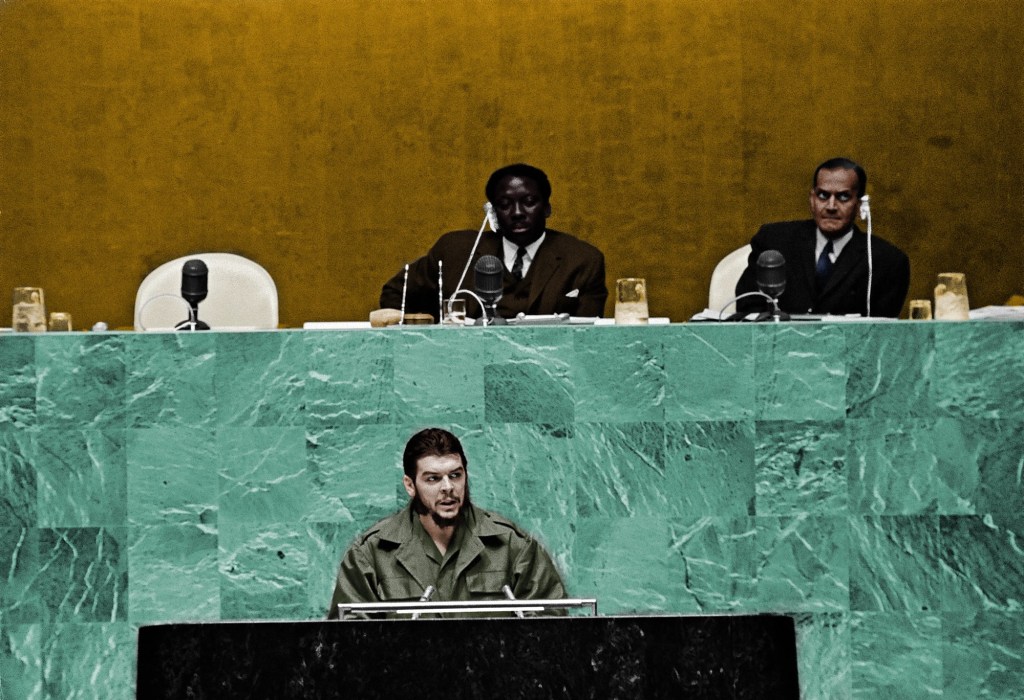
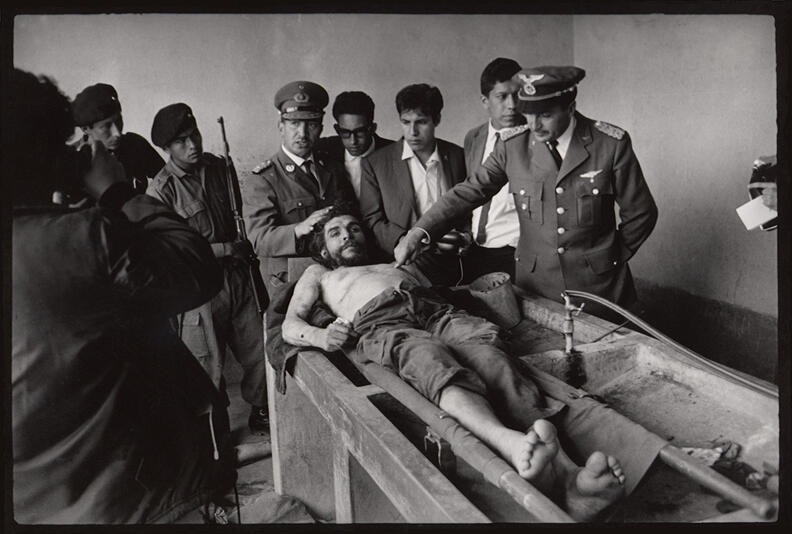
ఐదేళ్లలోనే ఒక సాధారణ క్యాడర్ నుంచి క్యూబాలో నెంబర్ 2 స్థాయికి చేరాడు. మనకు ఇంత సాధిస్తే “ఇక చాలు” అనిపిస్తుంది. కానీ చే కి మాత్రం “ఇంకా ఎవరికైనా ఉపయోగపడాలి” అనే తపన ఉండేది.అందుకే, ఫిడెల్ క్యాస్ట్రోకి చెప్పి, కనీసం భార్య పిల్లలకు కూడా చెప్పకుండా చే కాంగో, బొలీవియా పోరాటాల కోసం వెళ్లిపోయాడు. కాంగోకి వెళ్లే సమయానికి అతని చివరి కొడుకు 2–3 నెలల పసివాడు. ఐదుగురు పిల్లల్లో మొదటి ఇద్దరికి తప్ప మిగతావాళ్లకు తమ నాన్న ఎలా ఉంటాడో కూడా తెలియదు. కేవలం ఫోటోల్లో చూసి గుర్తుపట్టాల్సిన స్థితి.కాంగో, బొలీవియాలో మాత్రం ఘోర పరాజయం ఎదురైంది. దానికి కారణాలు చాలానే ఉన్నాయి. ప్రధాన కారణం — స్థిరమైన నాయకత్వం లేకపోవడం. క్యూబా పోరాటం గెలవడానికి చే ఎంత కష్టపడ్డాడో, క్యాస్ట్రో కూడా అంతే అండగా ఉన్నాడు. ఆ స్థాయి నాయకత్వం ఇక్కడ దొరకలేదు. పైగా స్వార్థపూరిత స్థానిక నాయకత్వం, అహం — ఇవన్నీ కలిసి పోరాటాన్ని దెబ్బ తీశాయి. చివరికి చే బొలీవియాలో, అమెరికా CIA సహకారంతో సైన్యం చేతిలో హత్యకు గురయ్యాడు.చే బృందం పట్టుబడినప్పుడు అతని చేతులు వెనక్కి కట్టి, తొమ్మిది సార్లు కాల్చారు. కాల్చే ముందు కూడా అతన్ని తీవ్రంగా వేధించారు. అతని మృతదేహాన్ని హెలికాప్టర్ ల్యాండింగ్ స్కిడ్కు వేలాడదీసి, వల్లెగ్రాండే నగరానికి తీసుకెళ్లారు. 39 ఏళ్ల చిన్న జీవితంలో ఇంతటి ప్రస్థానాన్ని చూసిన చే, 60 ఏళ్ల తర్వాత కూడా ఒక తరానికి ఐకాన్గా నిలిచిపోయాడు. మనుషులు చనిపోతారు, కానీ కొన్ని పేర్లు మాత్రం గోదావరి వరదలా ప్రవహిస్తూనే ఉంటాయి.
మా మహేష్ అన్న “పులి నుంచి 3 నేర్చుకోవాలి” అన్నాడు. నేను చే నుంచి కూడా 3 నేర్చుకున్నా.ఉత్తరాలు రాయటం: తన అమ్మ, నాన్న, కూతురు హిల్డిటా (Hildita), అలీయుడ గువేరా (Aleida Guevara), భార్య అలీయుడ మార్చ్ (Aleida March)కి రాసిన ఉత్తరాలు తరువాతి కాలంలో ఎన్నో పుస్తకాలుగా ప్రచురితమయ్యాయి.డైరీ రాయటం: మోటార్సైకిల్ మీద యాత్ర చేసిన రోజు నుంచి క్యూబా (Cuba), కాంగో (Congo), బొలీవియా (Bolivia)లో ప్రతి రోజూ, చివరికి చనిపోయే ముందు రోజు కూడా డైరీ రాసుకున్నాడు. మనం మాత్రం మూడు రోజులు diary రాస్తే నాలుగో రోజు “ఏదో పని ఉంది” అంటాం.నిస్వార్థంగా సహాయం చేయటం: Help selflessly.
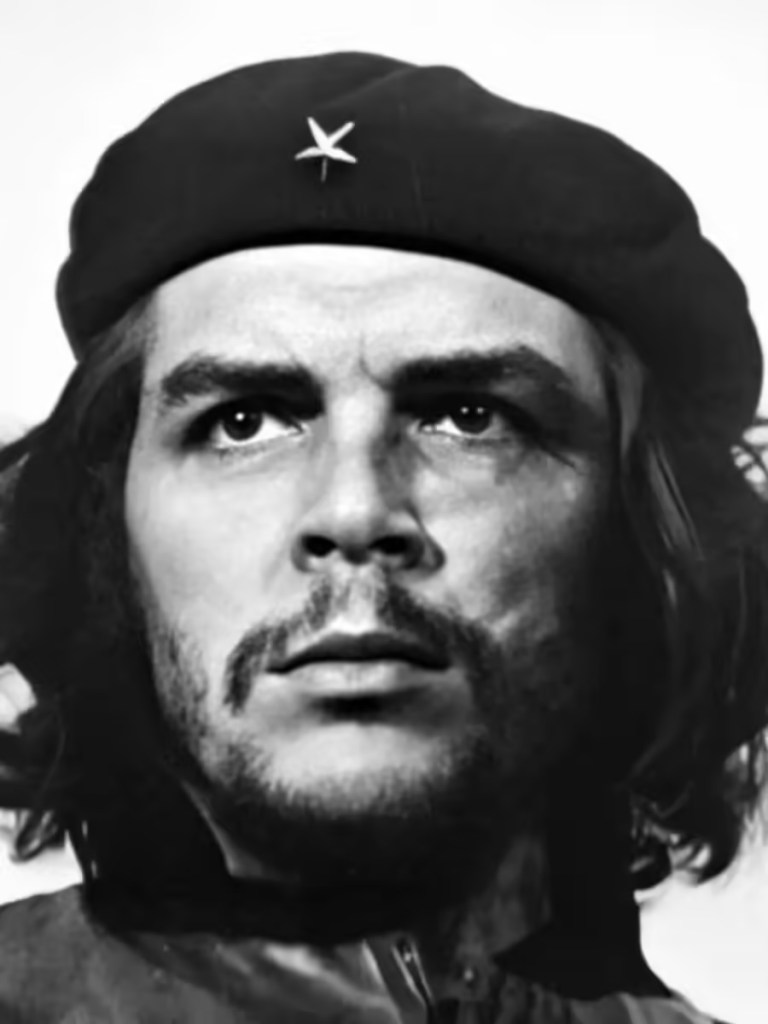
మా కులం, మా భాష, మా ప్రాంతం అని విడిపోతున్న ఈ రోజుల్లో, ఏ సంబంధం లేకపోయినా ప్రాణాలు ఇచ్చిన హీరో చే. ఇది మాటల్లో కాదు, జీవితంతో చూపించాడు.ఇక మీదట ఎప్పుడైనా షర్ట్ మీద, బైక్ మీద, లేదా సినిమాల్లో చే గువేరా ఫోటో కనిపిస్తే, “ఓయ్, మనోడు వచ్చేశాడ్రా” అనిపిస్తుంది. నన్ను ఇంతగా ప్రేరేపించినందుకు ఆయనకు కృతజ్ఞతలు చెప్పుకోకుండా ఎలా ఉంటా??
☐
***
If any religion is attacked in Bangladesh, we put up statuses on social media here. If there’s a war happening in Gaza, we even hold protests in our country. We loudly say, “They’re humans just like us.” We give speeches about how noble it is to love fellow human beings selflessly.
But what “selfless help” actually means… I only understood recently after listening to a few podcasts about one man, getting curious, and then reading some books and online articles. Until then, all we really knew was “speaking nicely in public” — that’s it.
Born somewhere in Rosario, Argentina… fought against the capitalist system in Guatemala, a country that wasn’t even his own… then went to Mexico and met the Castro brothers… helped overthrow Cuba’s dictatorship… later fought against governments in Congo and Bolivia… and was eventually killed by the military — that man was Che Guevara.
But even 60 years later, from Russia to Kerala, the name that instantly comes to mind when someone says “revolution,” the face people can never forget — Ernesto Guevara de la Serna. Even his name is long… and the work he did was equally massive. Otherwise where does this level of popularity come from?
Actually, “Che” wasn’t part of his original name. During the Cuban armed struggle, he constantly called everyone “Che.” In Argentina, “Che” is a common slang word — something like “hey,” “brother,” or “mate.” But in Cuba, it wasn’t used that much. So his comrades noticed that he was saying “Che” every two sentences and jokingly started calling him that. It stuck to him permanently.
Just like how someone here gets a nickname because they overuse one word… same thing happened to Che. The world, however, turned it into “Che Guevara.”
Che suffered from severe asthma throughout his life, but in sports he was unbelievably active. Swimming, football, golf, shooting — he loved all of them. He was also a powerful cyclist. But rugby? That was his true obsession.
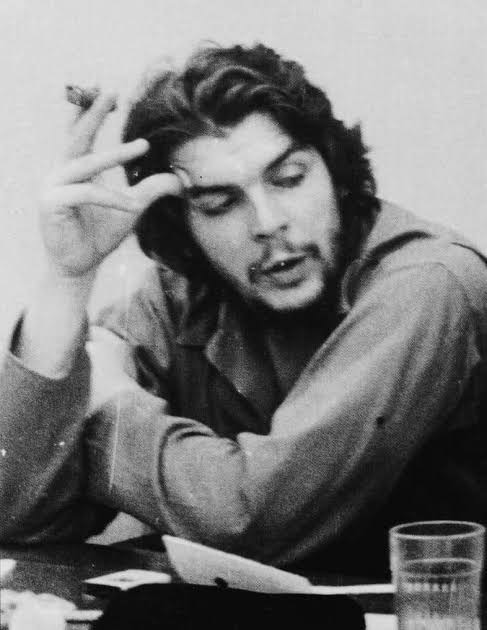
So on one side, his lungs were like, “Brother, please relax,” while on the other side, his body was like, “What exactly is my problem?”
When he was young, his grandmother died of cancer. That made him think, “If I become a doctor, maybe I can stop people like her from dying.” With that thought, he joined the University of Buenos Aires to study medicine.
Most people go to college for a degree. Che went there to understand life itself.
During that period, Che went on two motorcycle journeys. The first was in 1950, alone — he travelled nearly 4,500 kilometers across northern Argentina. The second was in 1952 with his friend Alberto Granado. For 9 months, they travelled over 8,000 kilometers across Argentina, Chile, Peru, Colombia, and Venezuela.
The diary Che wrote during this trip was published 43 years later as The Motorcycle Diaries. It was translated into more than 30 languages.
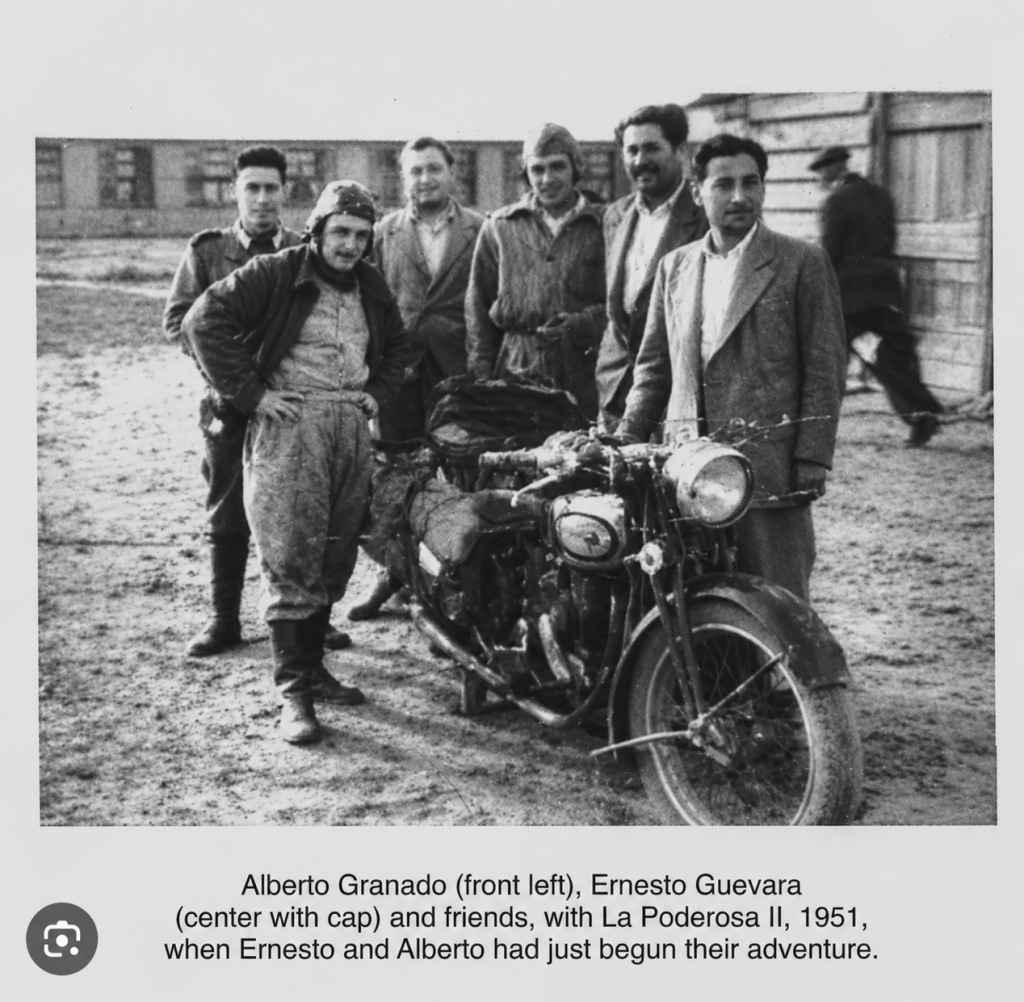
During that journey, he saw exploited mine workers, persecuted communists, and leprosy patients abandoned by society. Until then, he had simply thought, “This is how the world is.” After that, he began asking, “Should we really leave it this way?”
After returning to Argentina and finishing his studies, Che joined the struggle against the capitalist system in Guatemala. There he met economist Hilda Gadea Acosta. Later they got married. Their eldest daughter was Hildita Guevara.
At one point in life, love, family, and revolution all travelled together. But Che’s mind still burned with one thought: “I need to do more.”
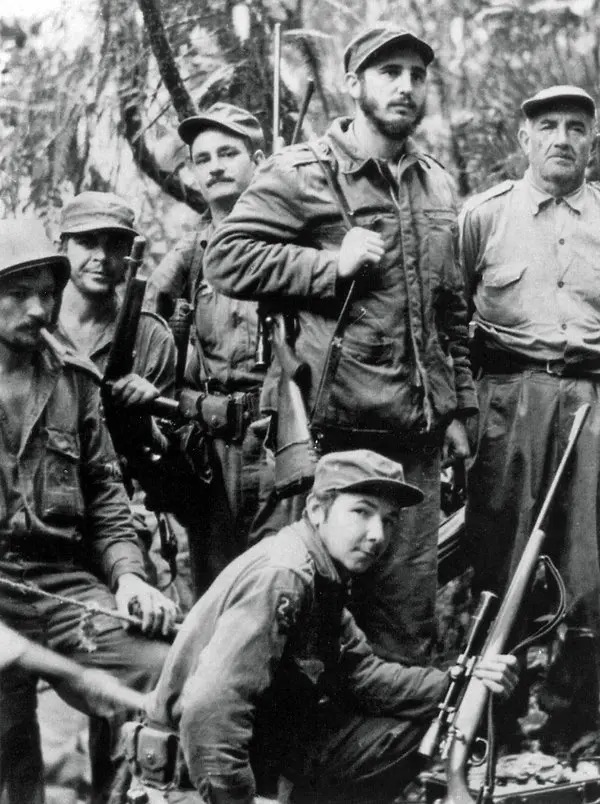
From Guatemala, Che went to Mexico, where through an old friend he met Fidel Castro and Raúl Castro, the brothers leading the armed struggle against Batista in Cuba.
After that, they fought for three unimaginable years and liberated Cuba from dictatorship. Later, Che worked as a minister and even became president of the national bank. Within five years, he rose from being an ordinary cadre to effectively the No. 2 figure in Cuba.
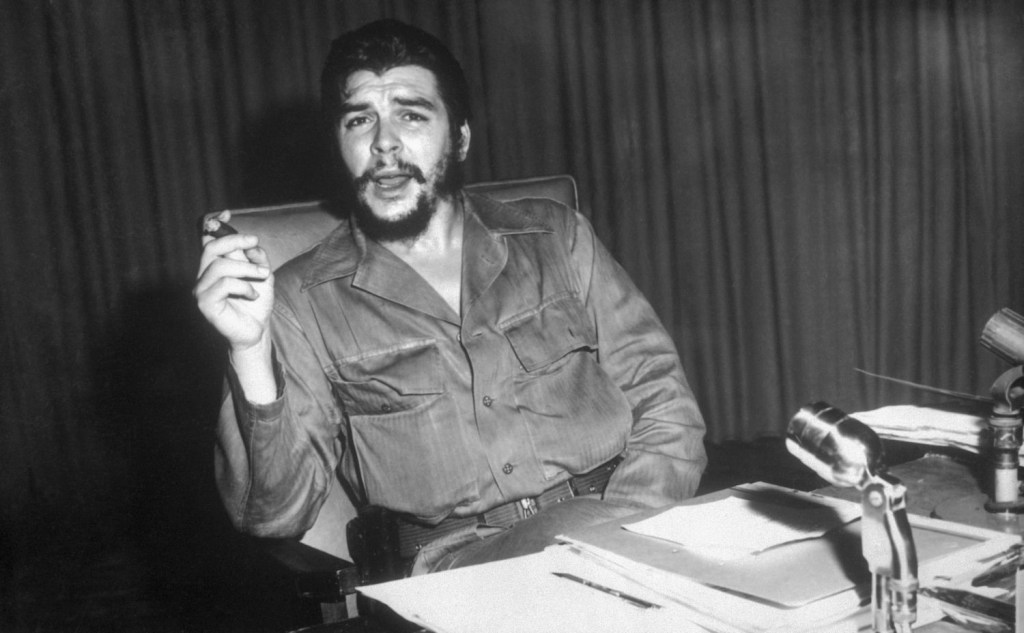
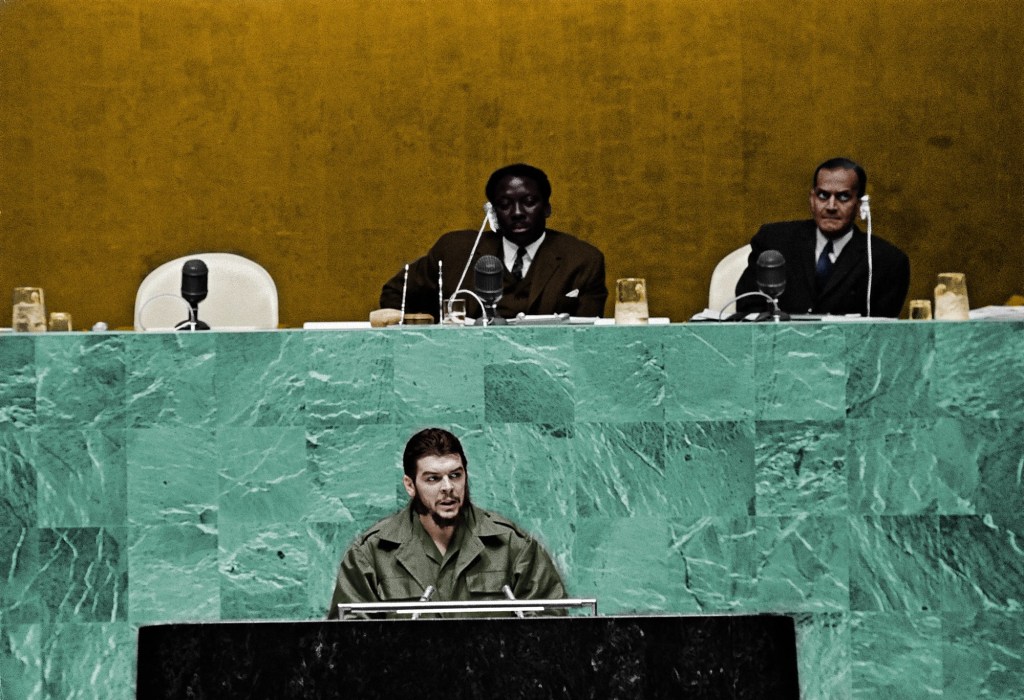
For most of us, achieving that much would make us say, “Alright boss, life settled.”
But Che still felt, “I should be useful to someone else too.”
So he informed Fidel Castro and quietly left for the struggles in Congo and Bolivia — without even properly telling his wife and children. By the time he left for Congo, his youngest son was just 2–3 months old. Among his five children, only the first two even knew what their father looked like. The others had to recognize him from photographs.
In Congo and Bolivia, however, he faced crushing defeat. There were many reasons. The biggest one was the lack of stable leadership.
Che struggled immensely to win the Cuban revolution, yes — but Fidel Castro stood beside him with equal strength. That kind of leadership didn’t exist here. Add selfish local leadership and ego clashes to the mix, and the movement collapsed.
Eventually, in Bolivia, Che was captured and killed by the military with assistance from the CIA.
When Che’s group was caught, his hands were tied behind his back and he was shot nine times. Before shooting him, they tortured him brutally. His body was then hung from a helicopter landing skid and taken to the town of Vallegrande.
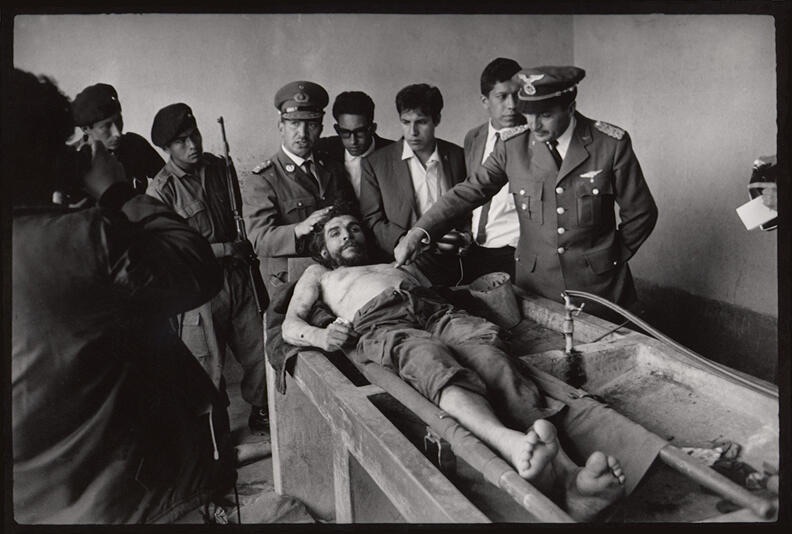
In just 39 years of life, Che lived through an extraordinary journey. Even after 60 years, he remains an icon for generations. People die… but some names flow forever like the floods of the Godavari.
Our Mahesh anna once said, “There are three things to learn from a tiger.”
I feel there are three things to learn from Che too.
1. Writing letters
The letters he wrote to his parents, his daughter Hildita, Aleida Guevara, and his wife Aleida March were later published as books.
2. Writing diaries
From the day he started his motorcycle journey until his very last day before death — in Cuba, Congo, and Bolivia — he wrote a diary every single day.
Meanwhile, we write in a diary for three days and on the fourth day we’re like, “Busy ra, too much work.”
3. Helping selflessly
Help selflessly.
At a time when people divide themselves over caste, language, and region, Che gave his life for people completely unrelated to him. He didn’t just preach it — he lived it.
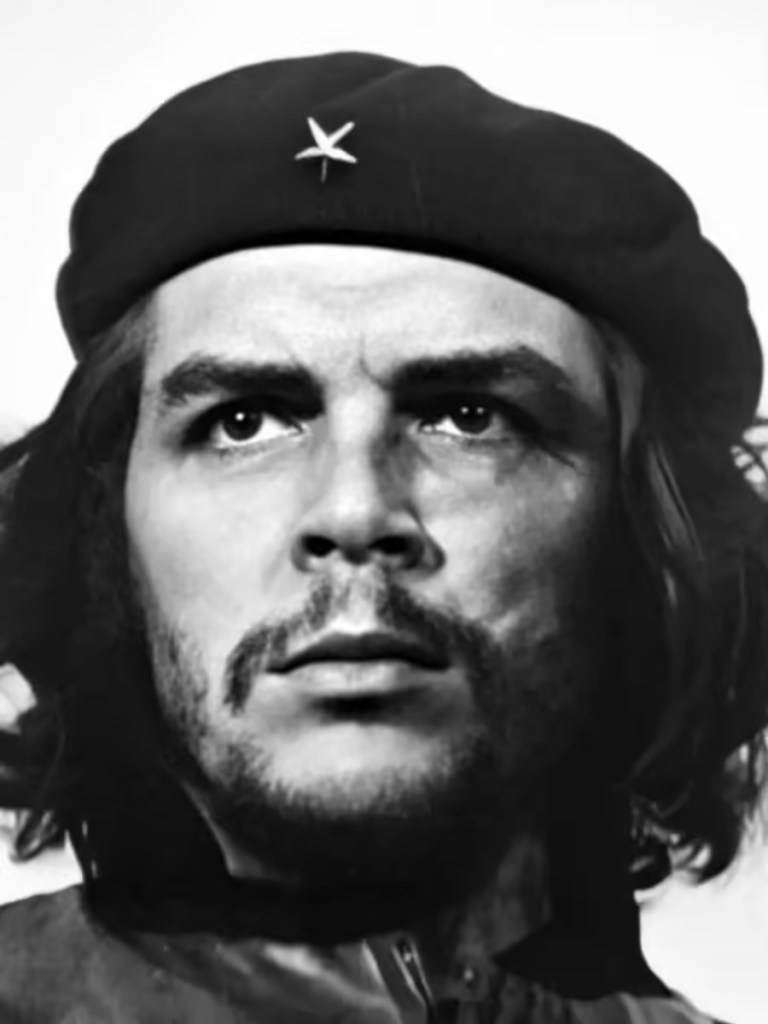
From now on, whenever I see Che Guevara’s face on a shirt, bike, or in a movie, I’ll probably feel like, “Oye… our guy is here again.”
How can I not thank the man who inspired me this much?


Leave a comment